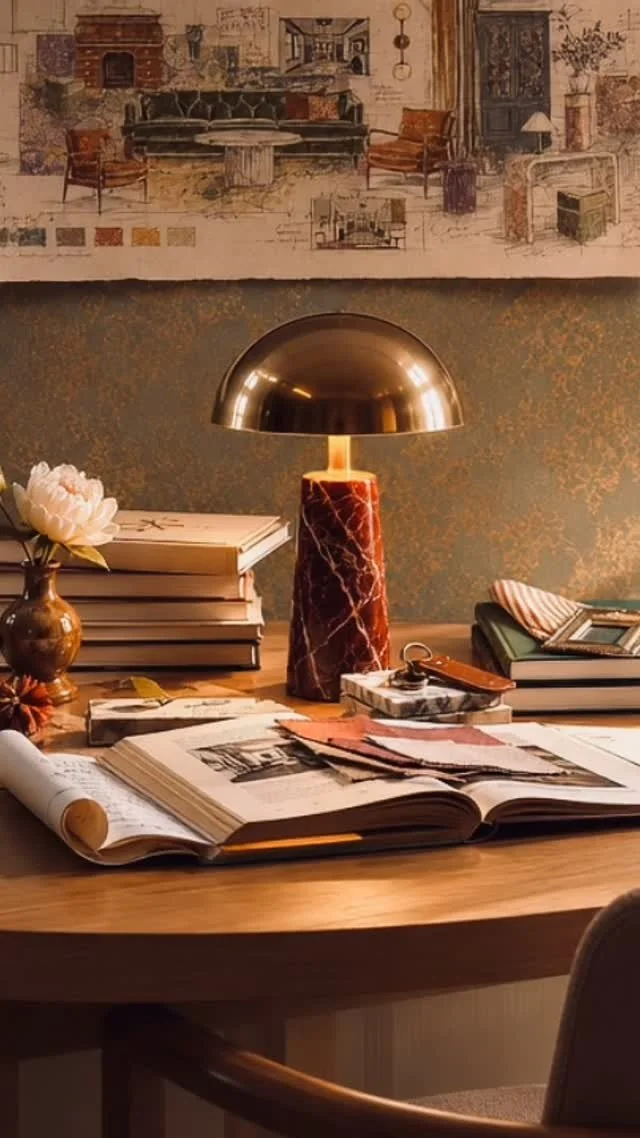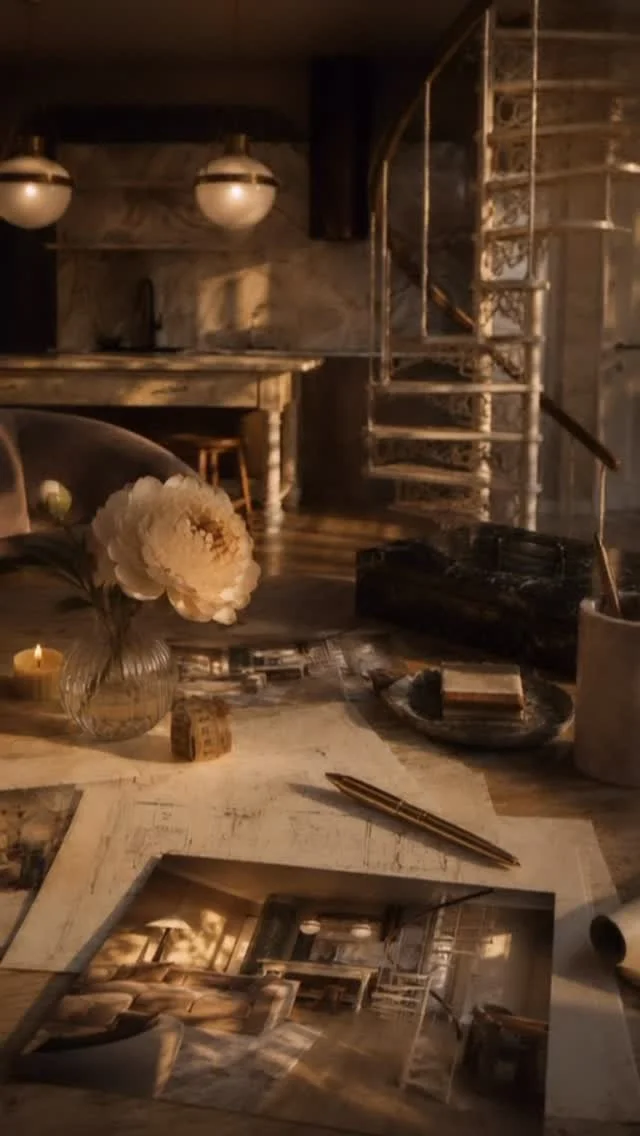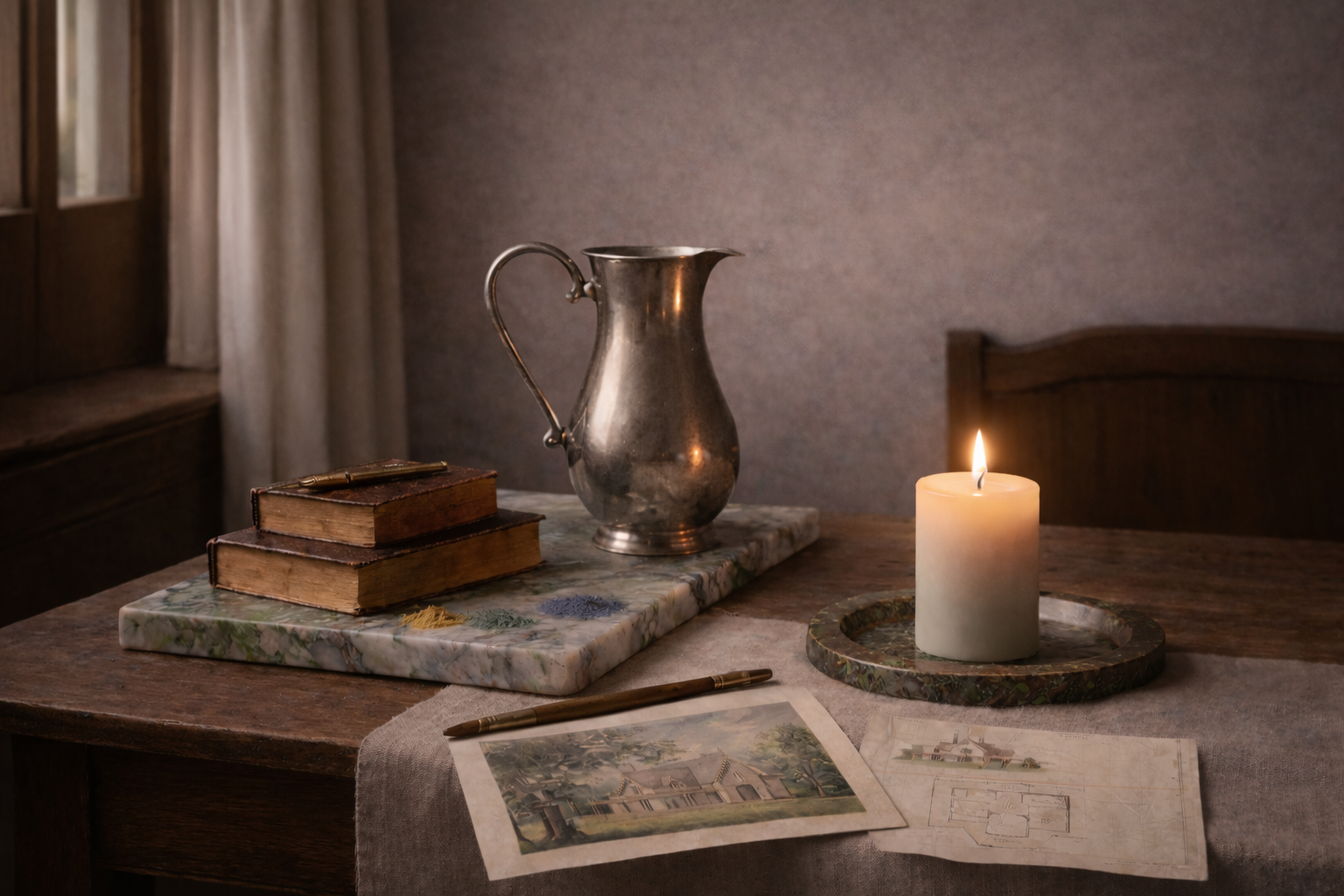

From a revolving table in upstate New York, interiors, objects, and archives emerge through the discipline of production design and the quiet architecture of home.

SLOANEHOME is a living study of the American domestic imagination, documenting the making of interiors, objects, and filmic worlds that extend beyond them. It operates as both studio and archive, guided by the belief that modernity and antiquity are not opposites, but reflections across time. Drawing from place, cinema, architecture, and the language of character, the work treats the home as a vessel for memory, continuity, and cultural meaning rather than acquisition alone.

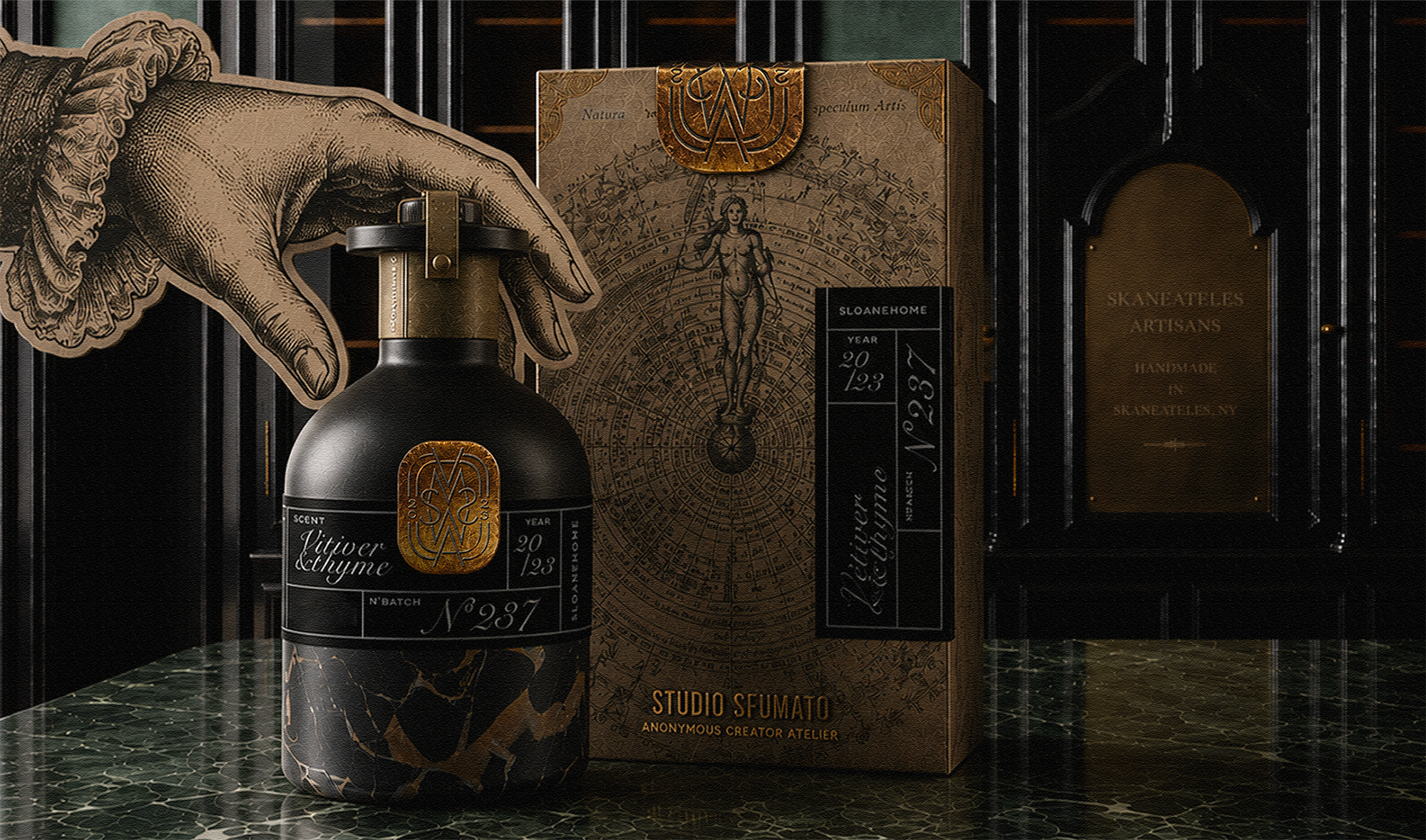
O B J E C T S
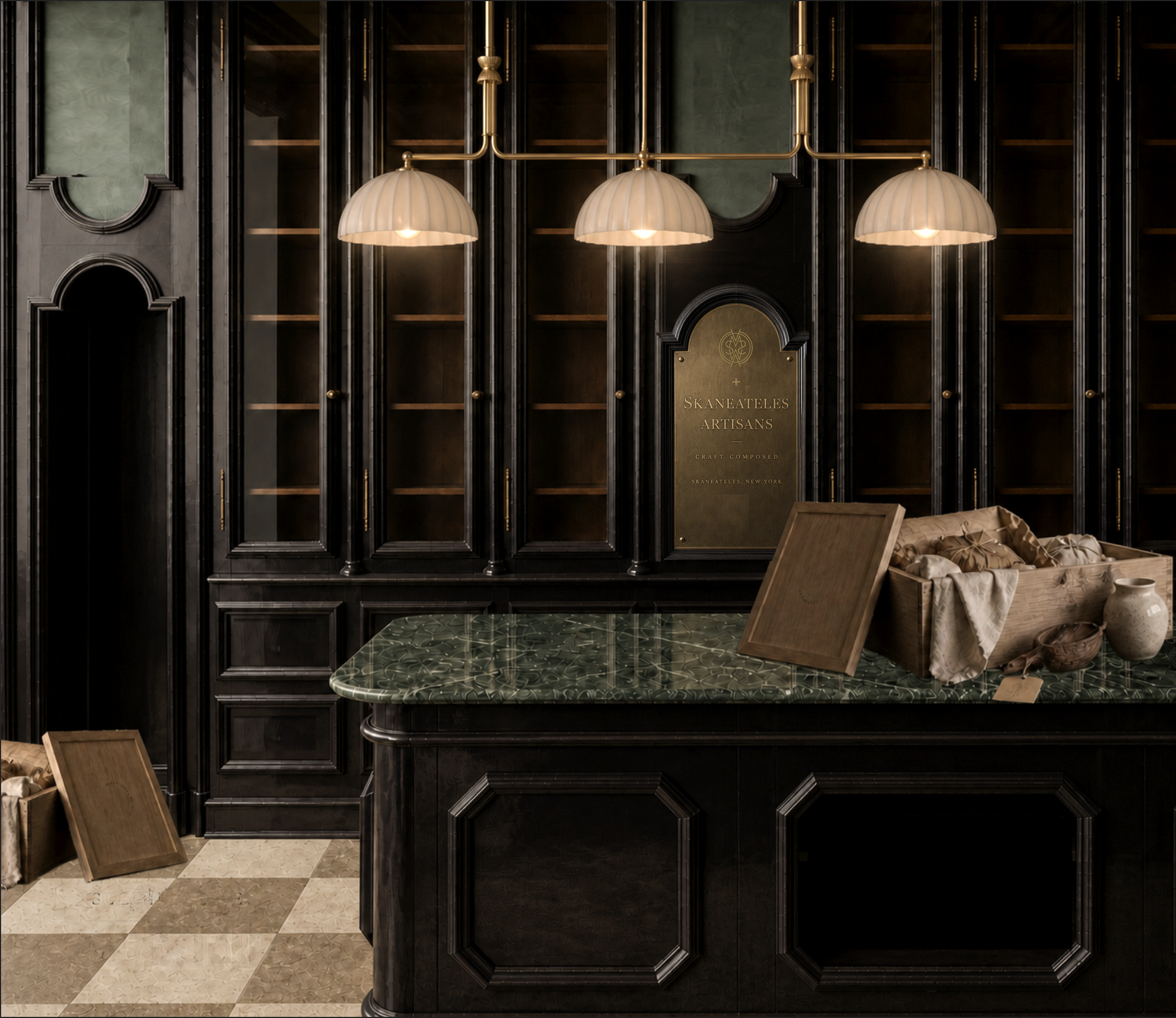
V I T R I N E
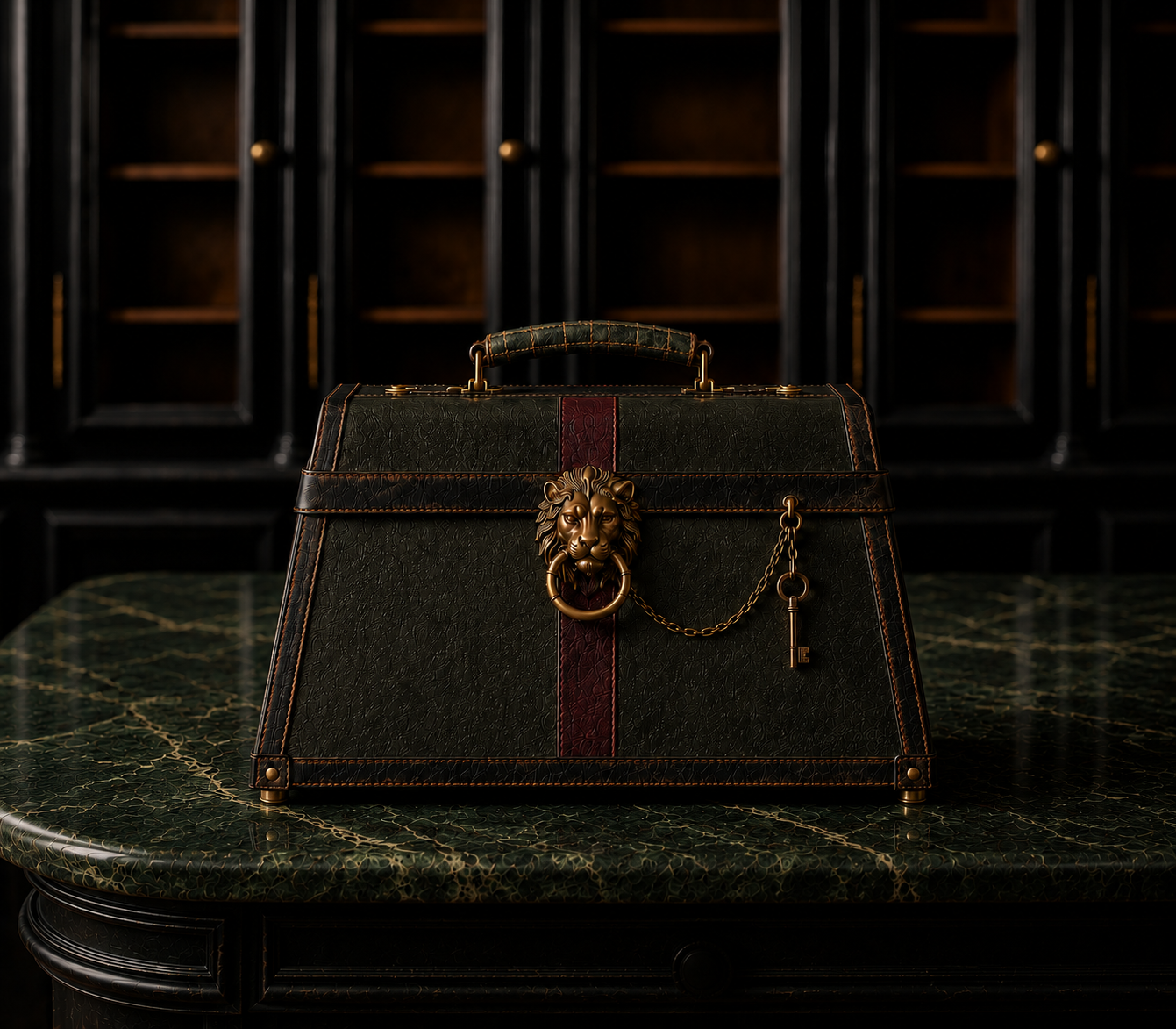
H O U S E E D I T I O N S
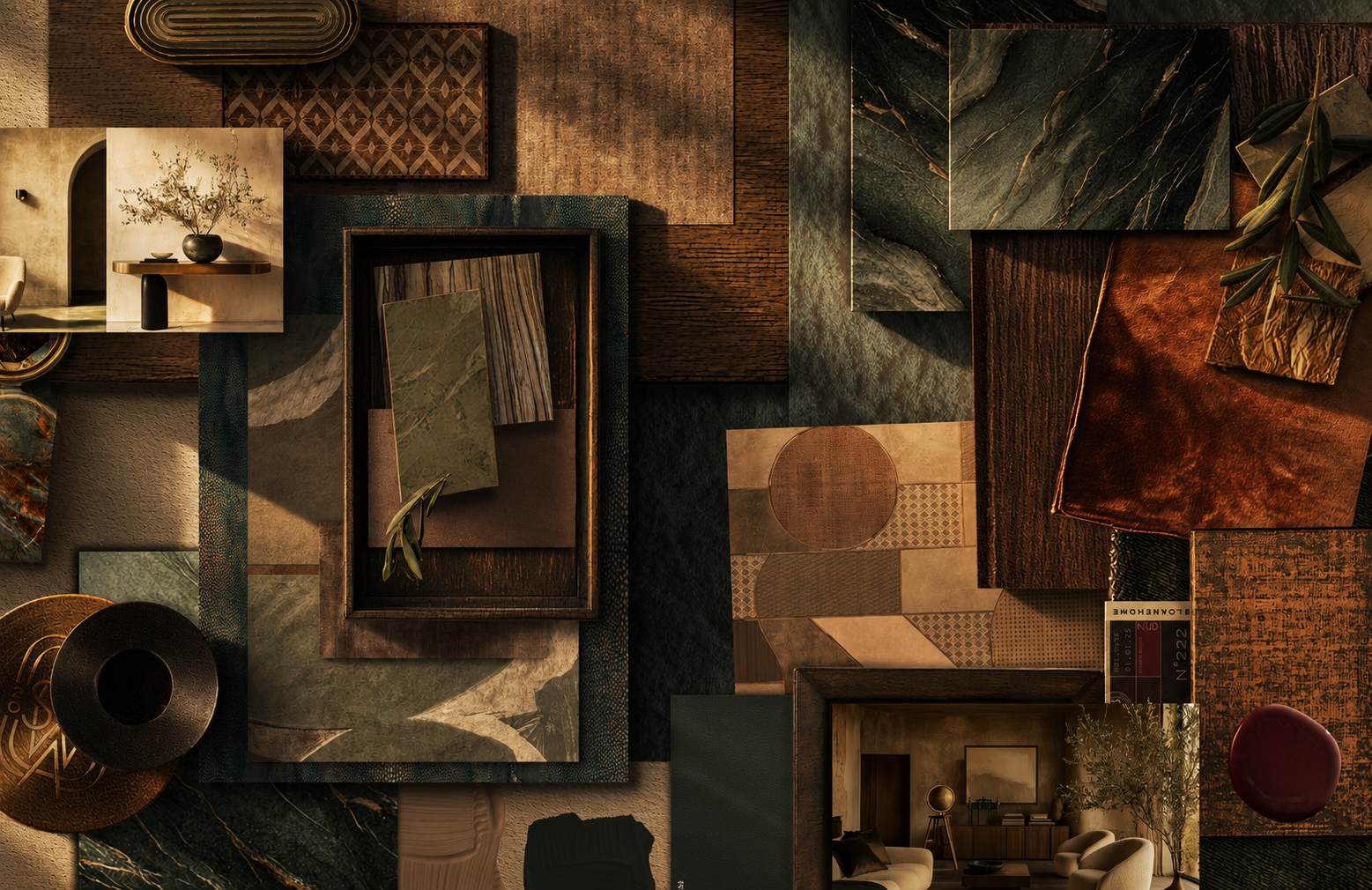
A R C H I V E
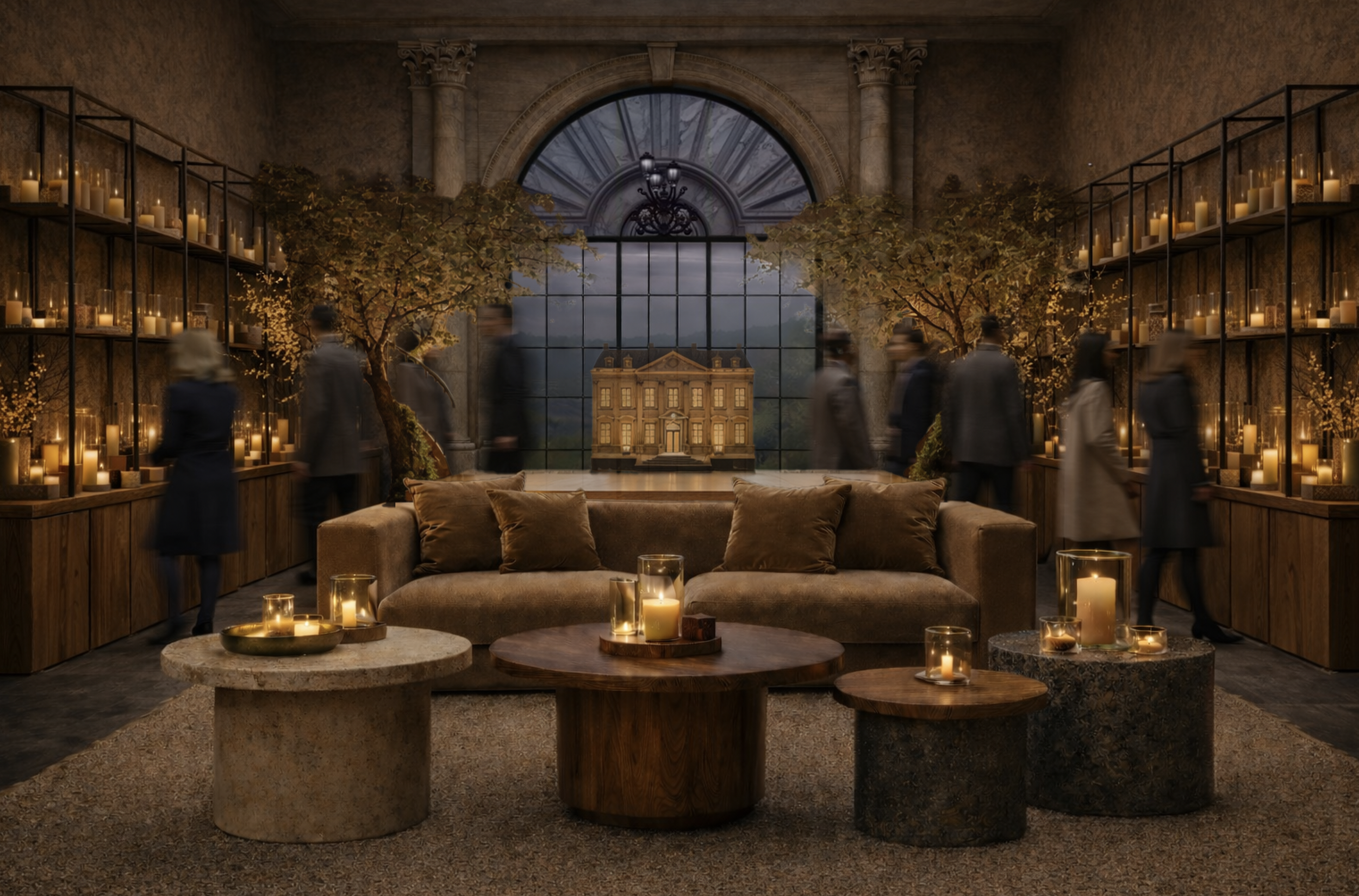
G U I L D
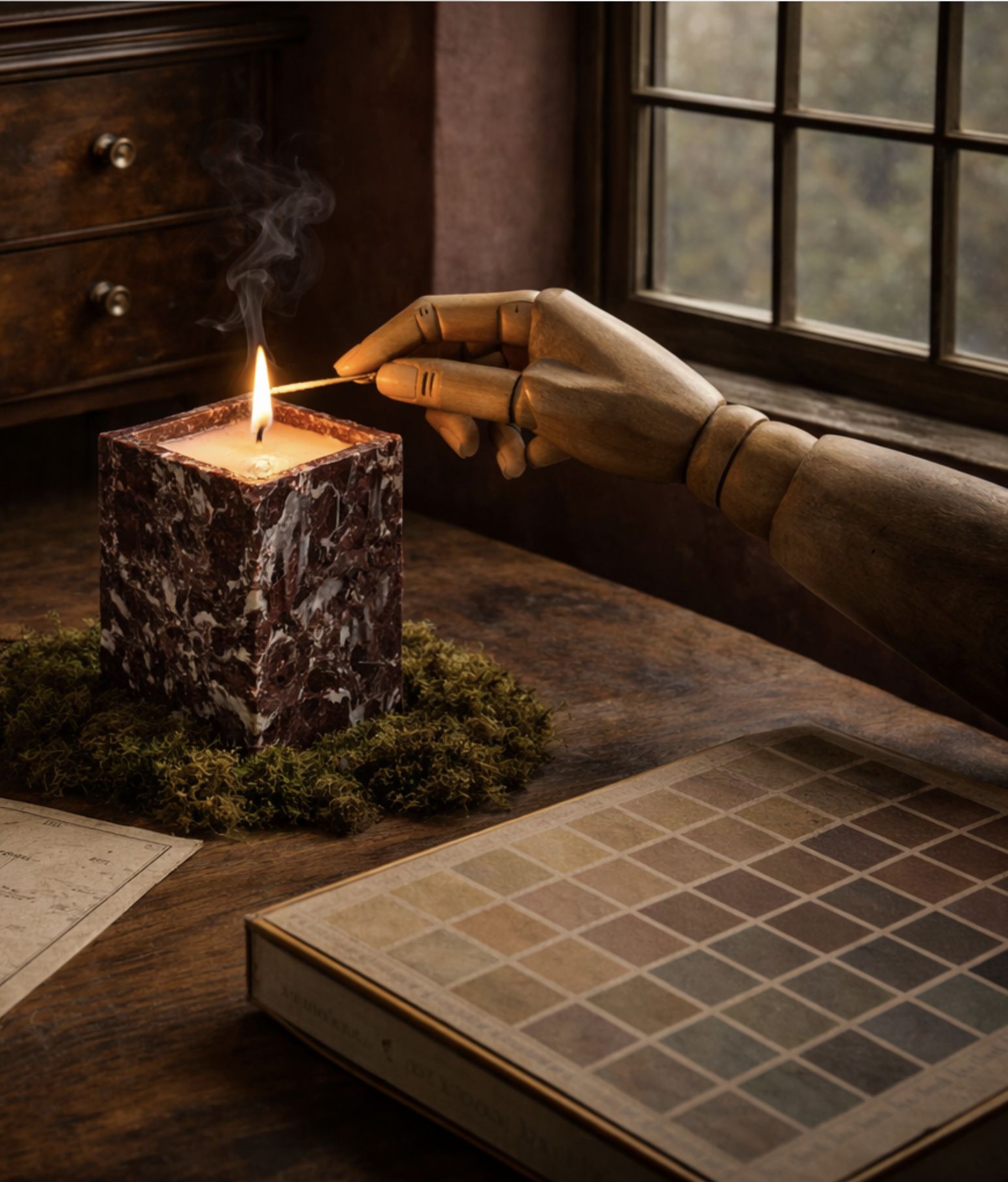
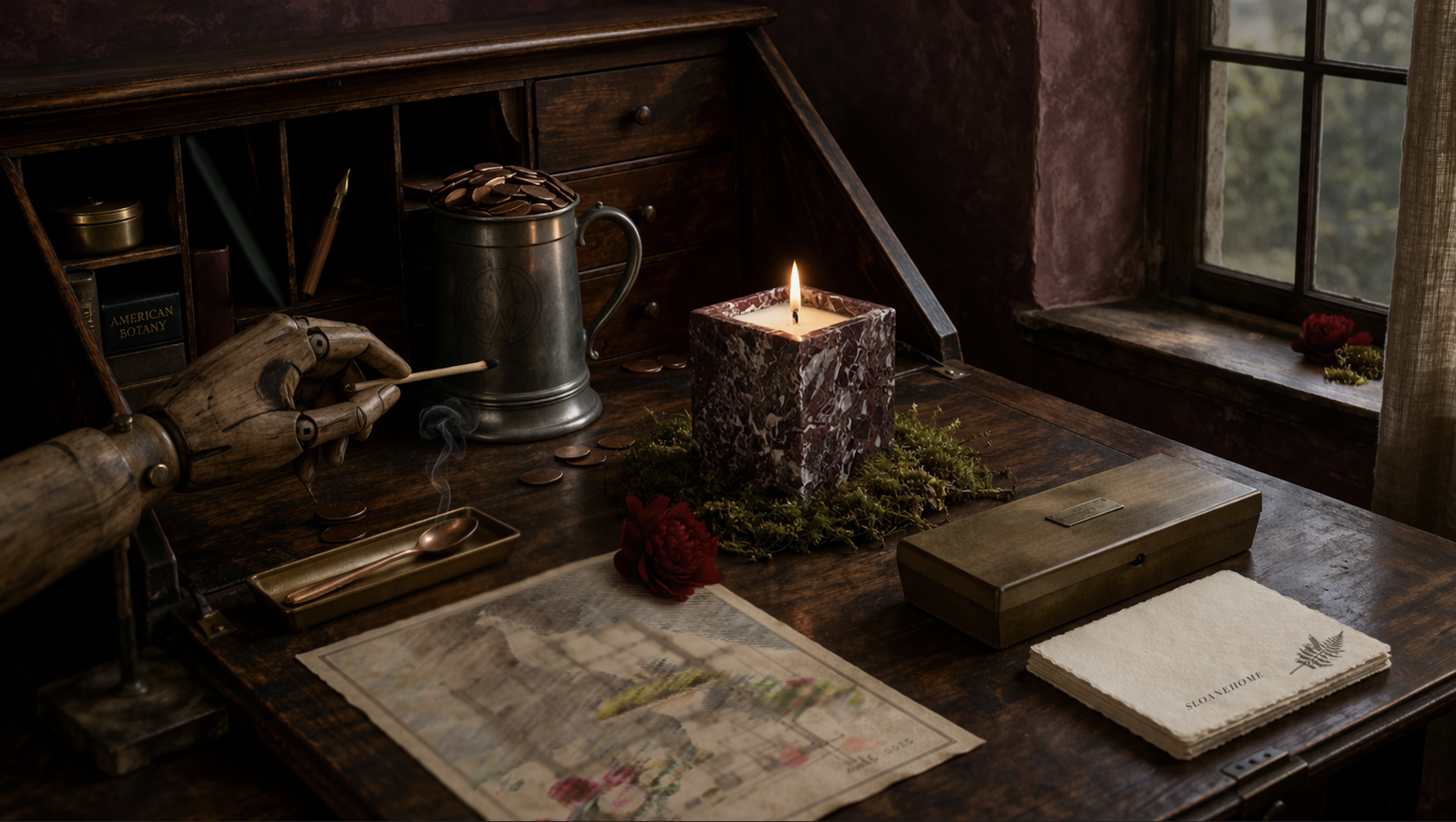
AmericaN
Gothic
Desk Collection.
SLOANEHOME offers the AUTHORED CHARACTER of an environment, allowing the atmosphere of a place to be interpreted and realized beyond the studio itself.
THE PREMIER WORKSHOP EDITION


STORIED INTERIORS

DOMESTIC STUDY
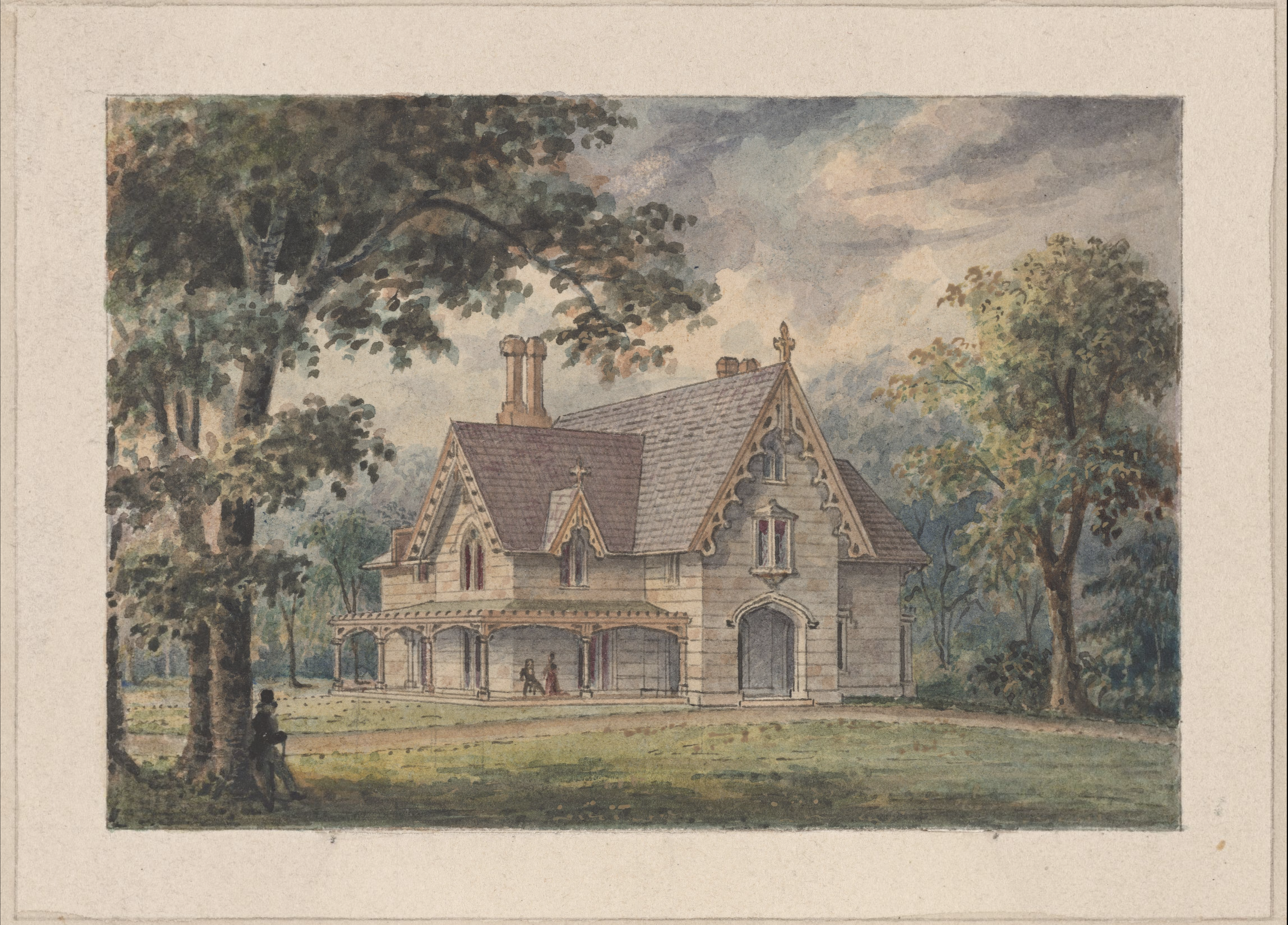
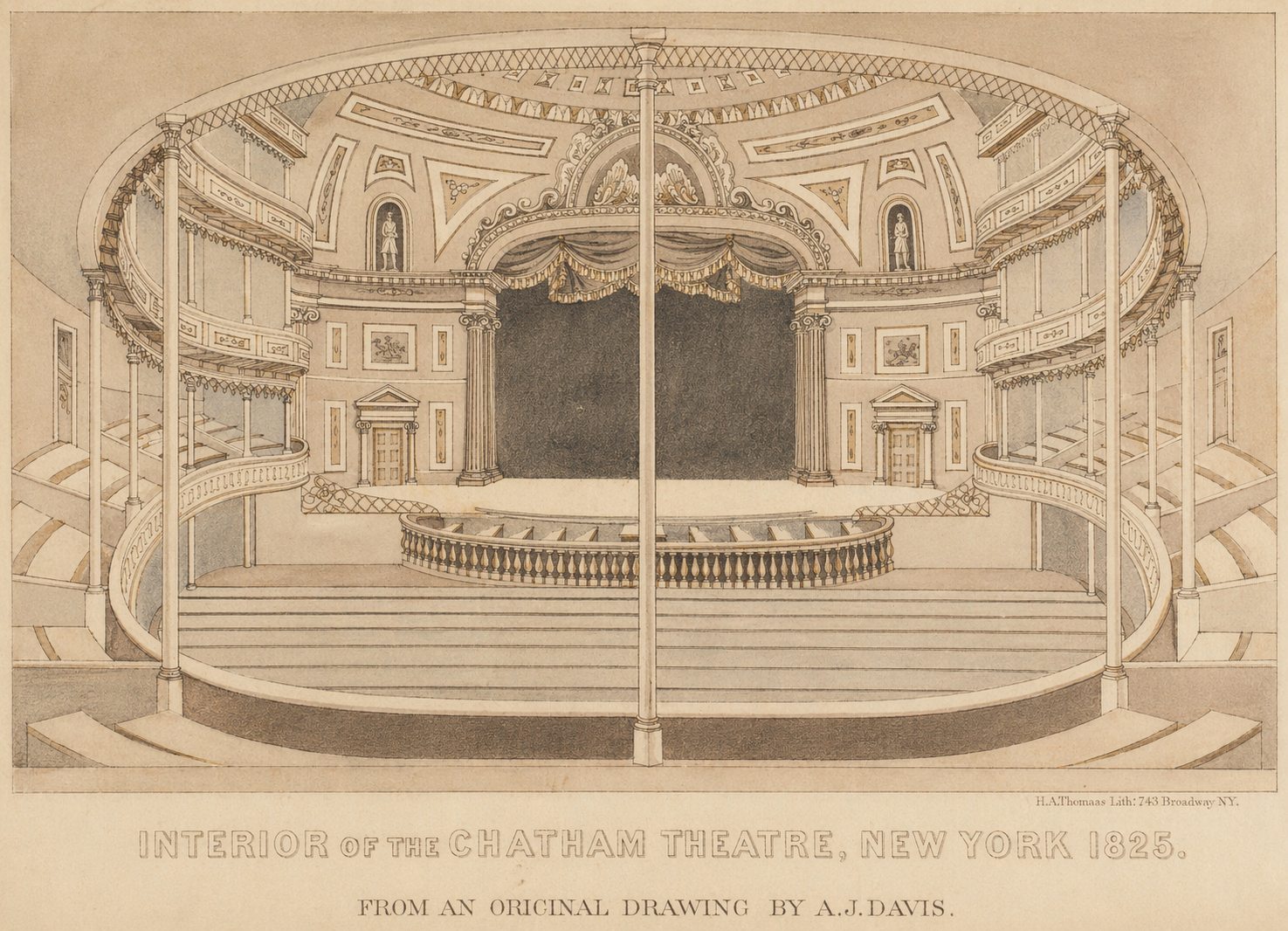
The first interior study emerges from one of the last remaining Gothic Revival picturesque houses in the region designed by the architect Alexander Jackson Davis, whose work, alongside that of A. J. Downing’s helped shape the American domestic imagination of the nineteenth century.
Citation: Alexander Jackson Davis architectural drawings and papers, 1804-1900, Avery Architectural & Fine Arts Library, Columbia University
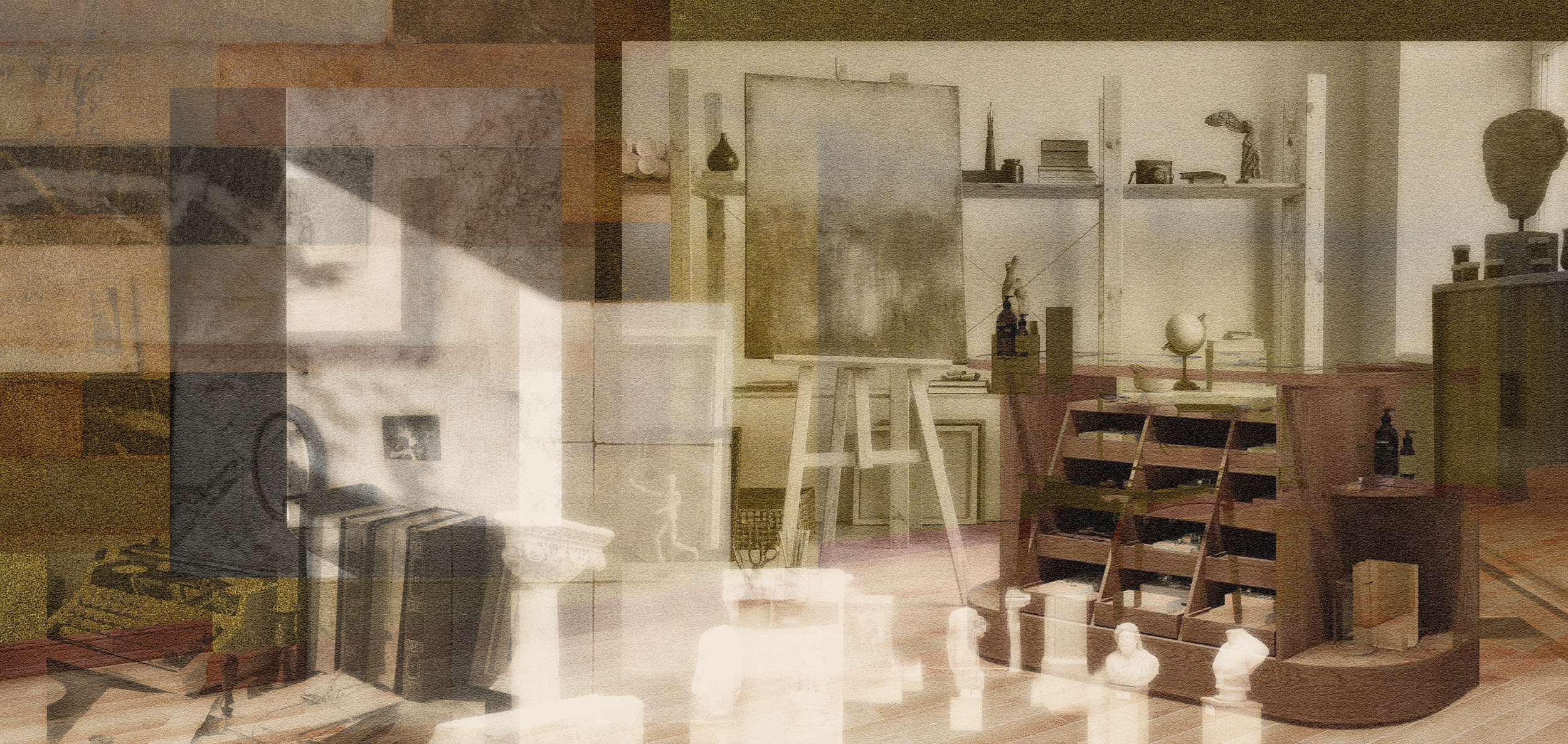
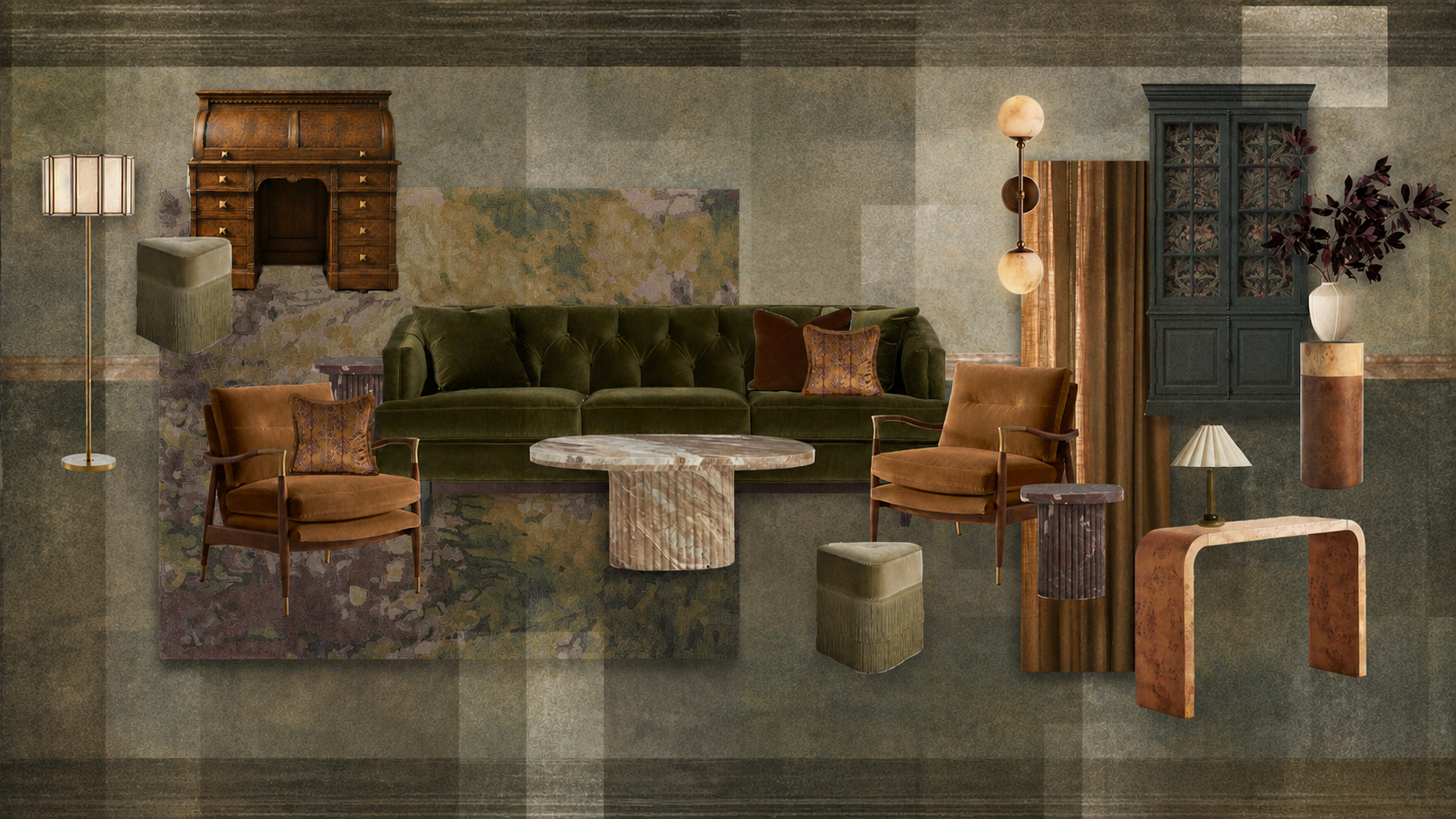
anatomy of style
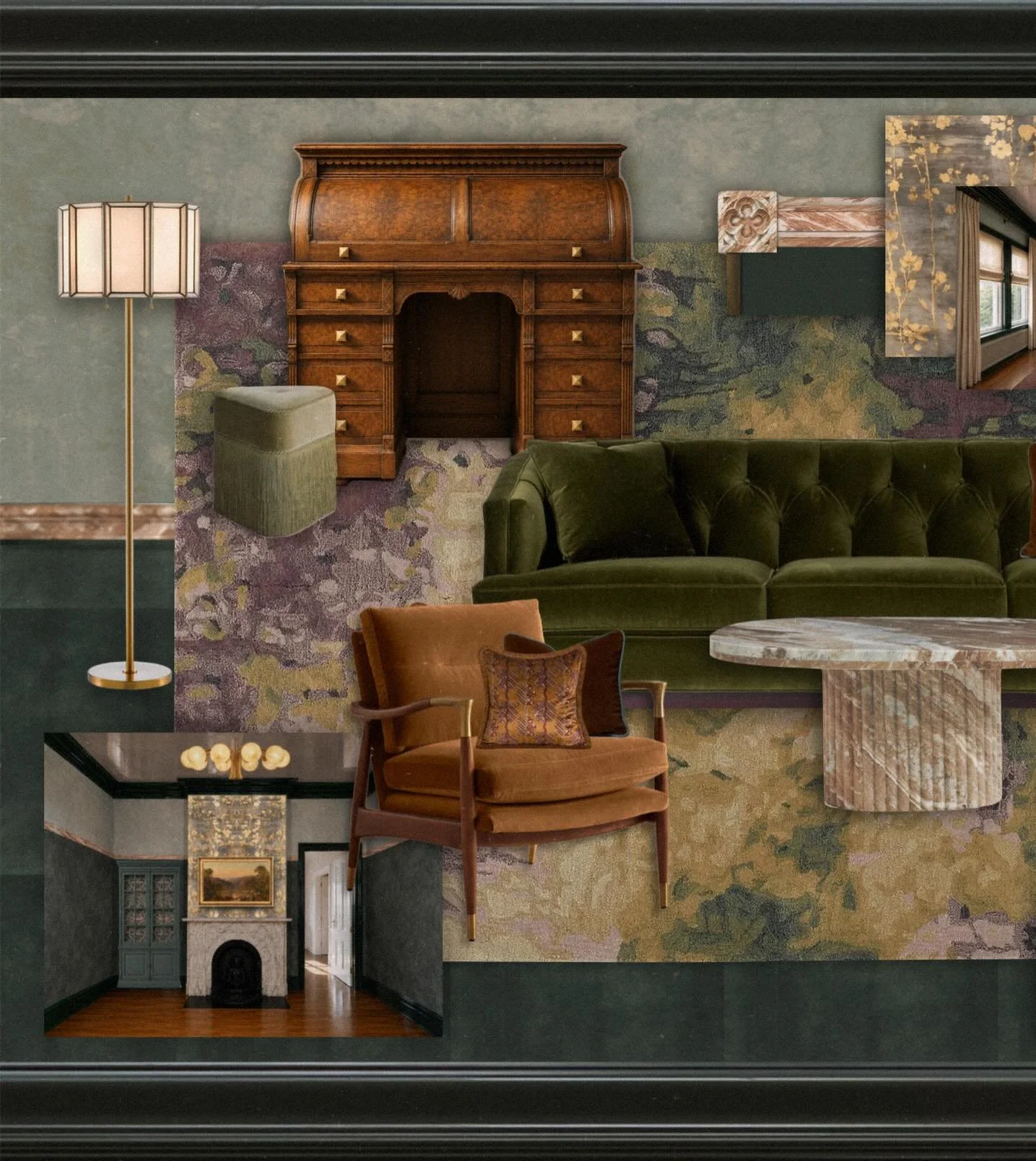
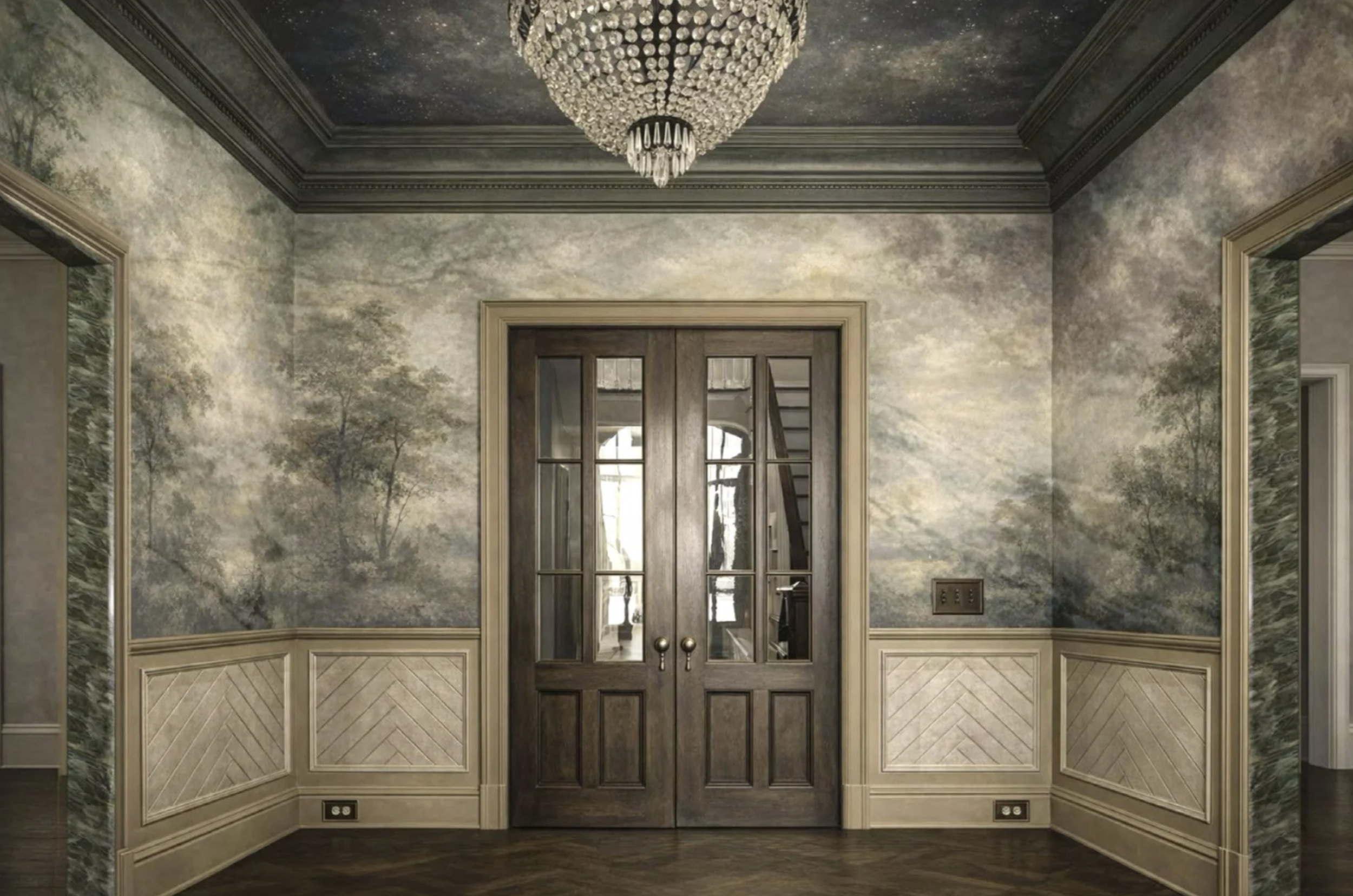
Historiographic Realism rejects the superficial costuming of historical revivalism in favor of an active, scholarly unearthing of space. Born at the intersection of archival preservation and cinematic world-building, the movement approaches the interior not as a curation of retail commodities, but as a living tapestry of accumulated time [1]. It demands that every element—from the tectonic mass of a fluted travertine table to the smoky, sfumato depths of paint mixed strictly for low-wattage illumination—holds an undeniable physical and narrative truth. By deliberately layering the avant-garde silhouettes of the present against the heavy, dignified architecture of the nineteenth century, Historiographic Realism crafts an immersive sanctuary that feels completely permanent, deeply authored, and entirely independent of the modern market.
Historiographic Realism
Reference Index 001
[1] SYSTEMIC CONTINUITY: Cf. Sloane, A. M. (2026). The Architecture of Observation: Narrative Staging and the Permanent Environment. The Arcadian Institute Press, Folio III, pp. 14–22. Regarding the integration of theatrical production frameworks into regional domestic architecture, wherein the traditional boundary between spatial illusion and permanent material habitation is consciously dissolved.
CROSS-REFERENCE / THE PICTURESQUE CONTEXT: See also Downing, A. J. (1842). Cottage Residences: Or, A Series of Designs for Rural Cottages and Cottage Villas, and their Gardens and Grounds, Adapted to North America. Wiley & Putnam. Notably the principles concerning local material extraction and the application of naturalistic, low-chroma pigments derived directly from lakeside forestry and regional shale strata.
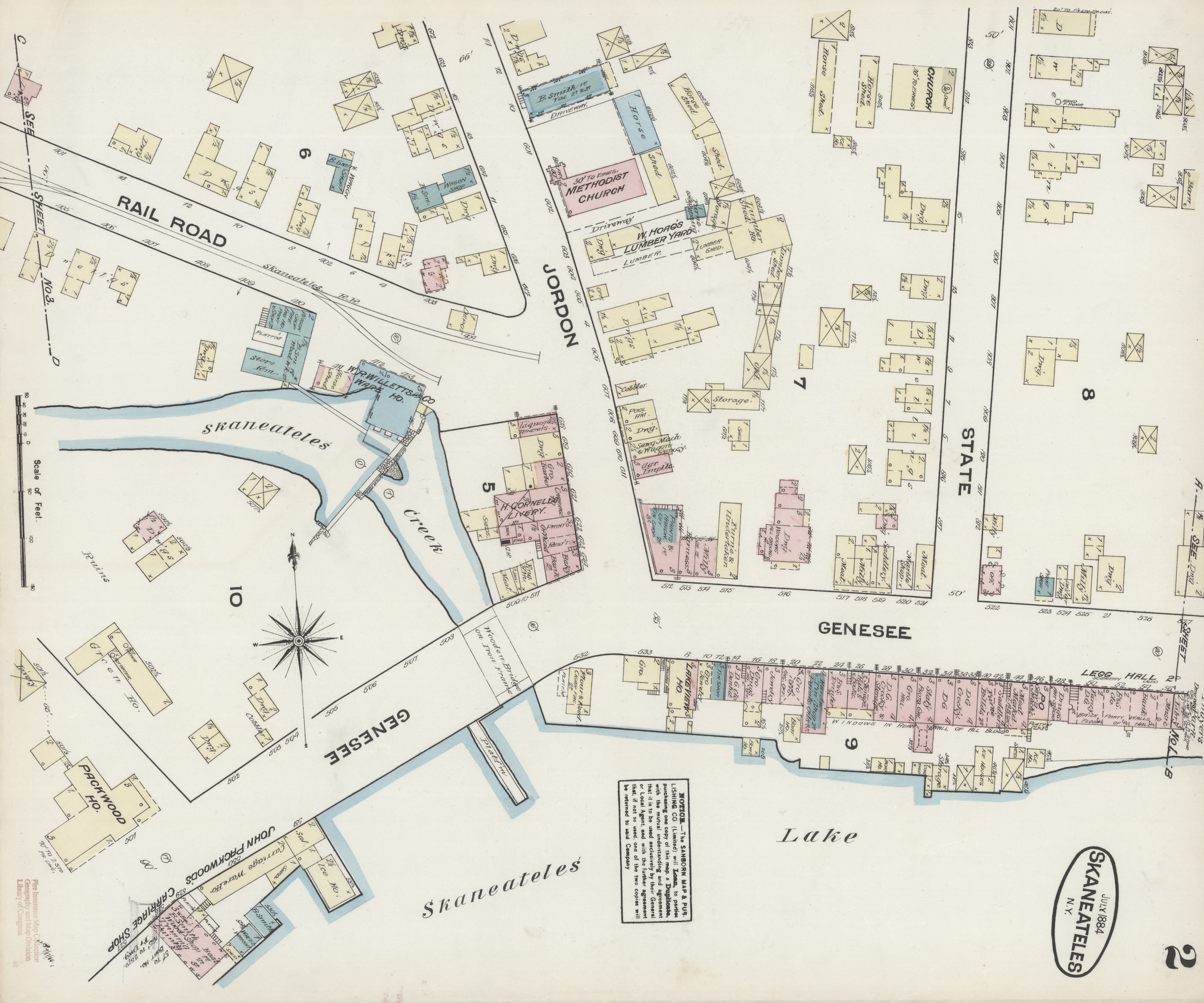
ARCHIVAL MATERIAL PROVENANCE: Documented ledger files concerning the regional structural geometries of the Finger Lakes District (specifically the 1884 property plots and architectural surveys of Skaneateles, New York). Avery Architectural & Fine Arts Library collection, Columbia University, New York, NY. System registration identifier: DS-001-GR.

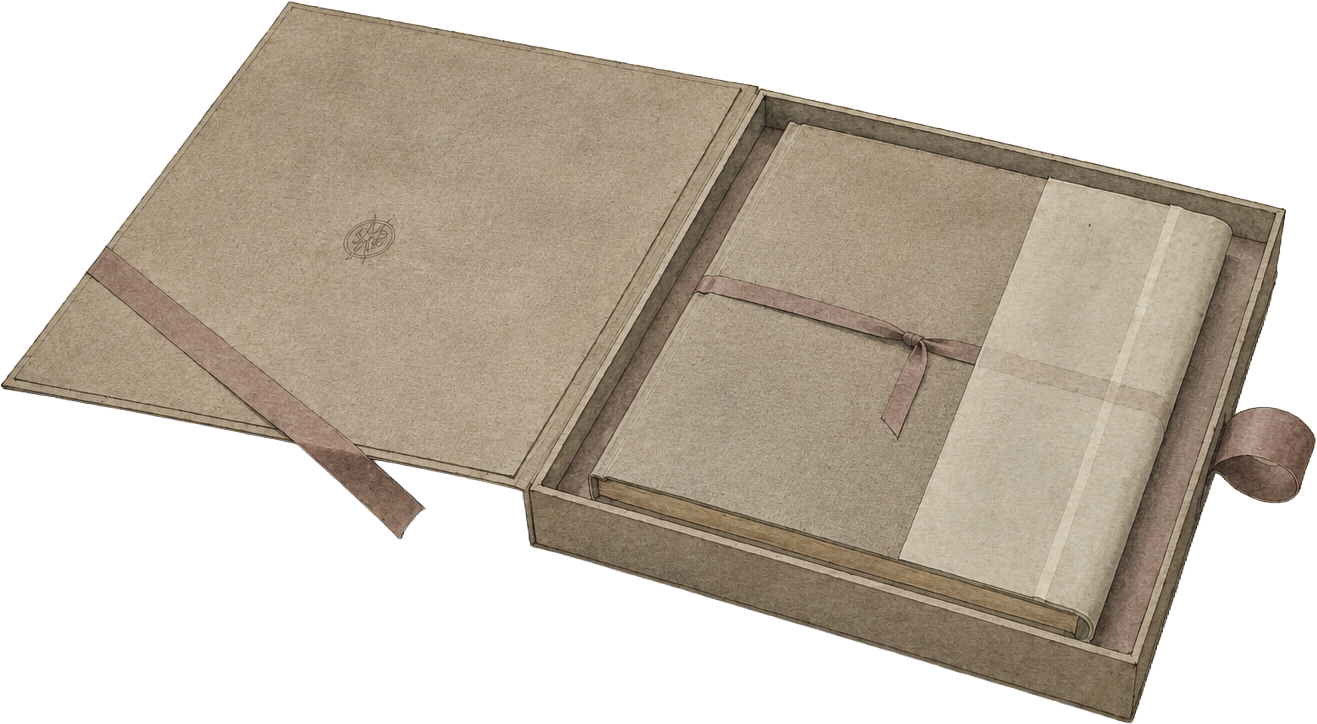
A R C H I V E B O X 0 0
“The first folios are less a release than a gathering of early witnesses — individuals who recognize the work while it is still forming and choose to help steward it forward.”

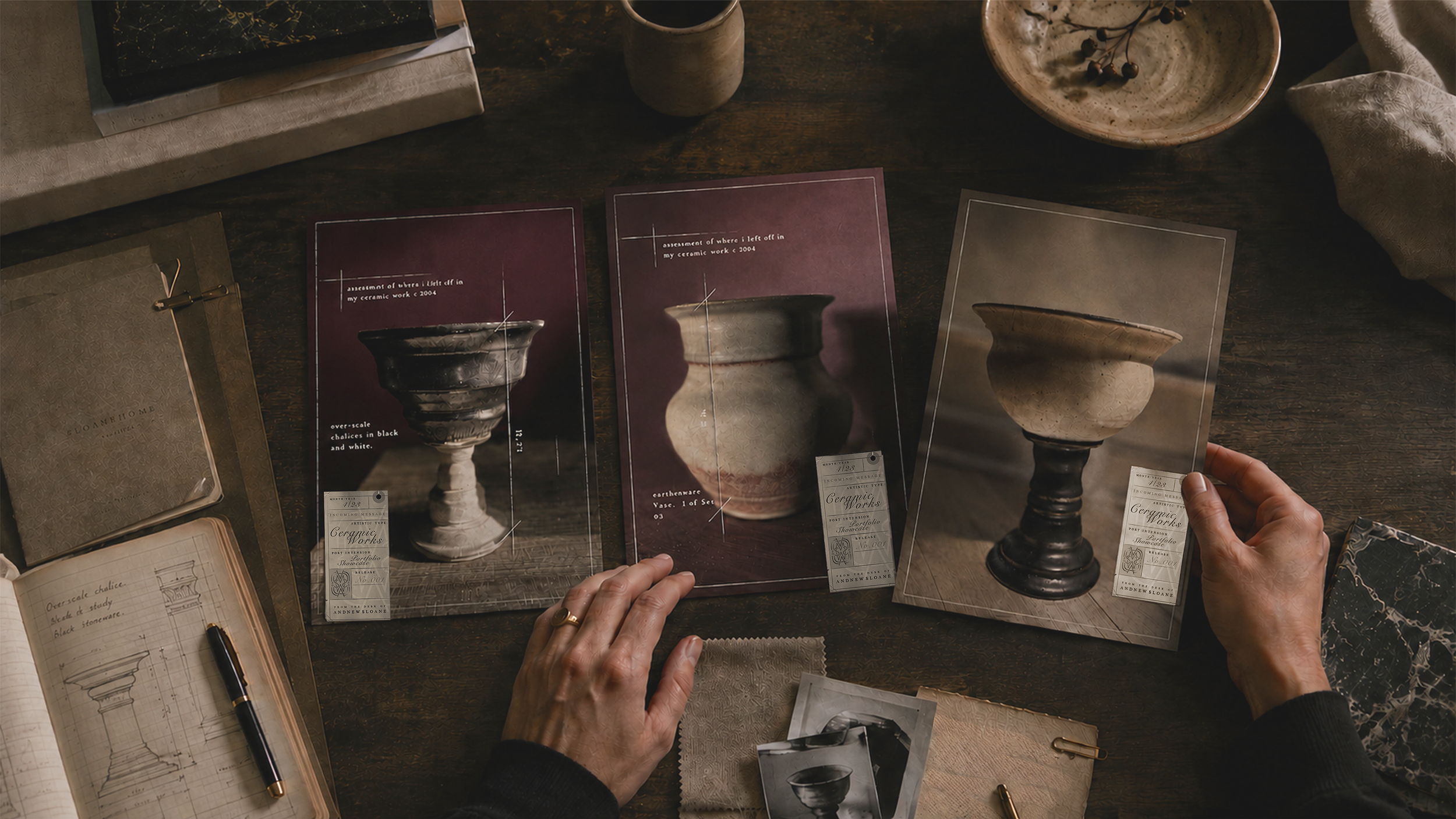
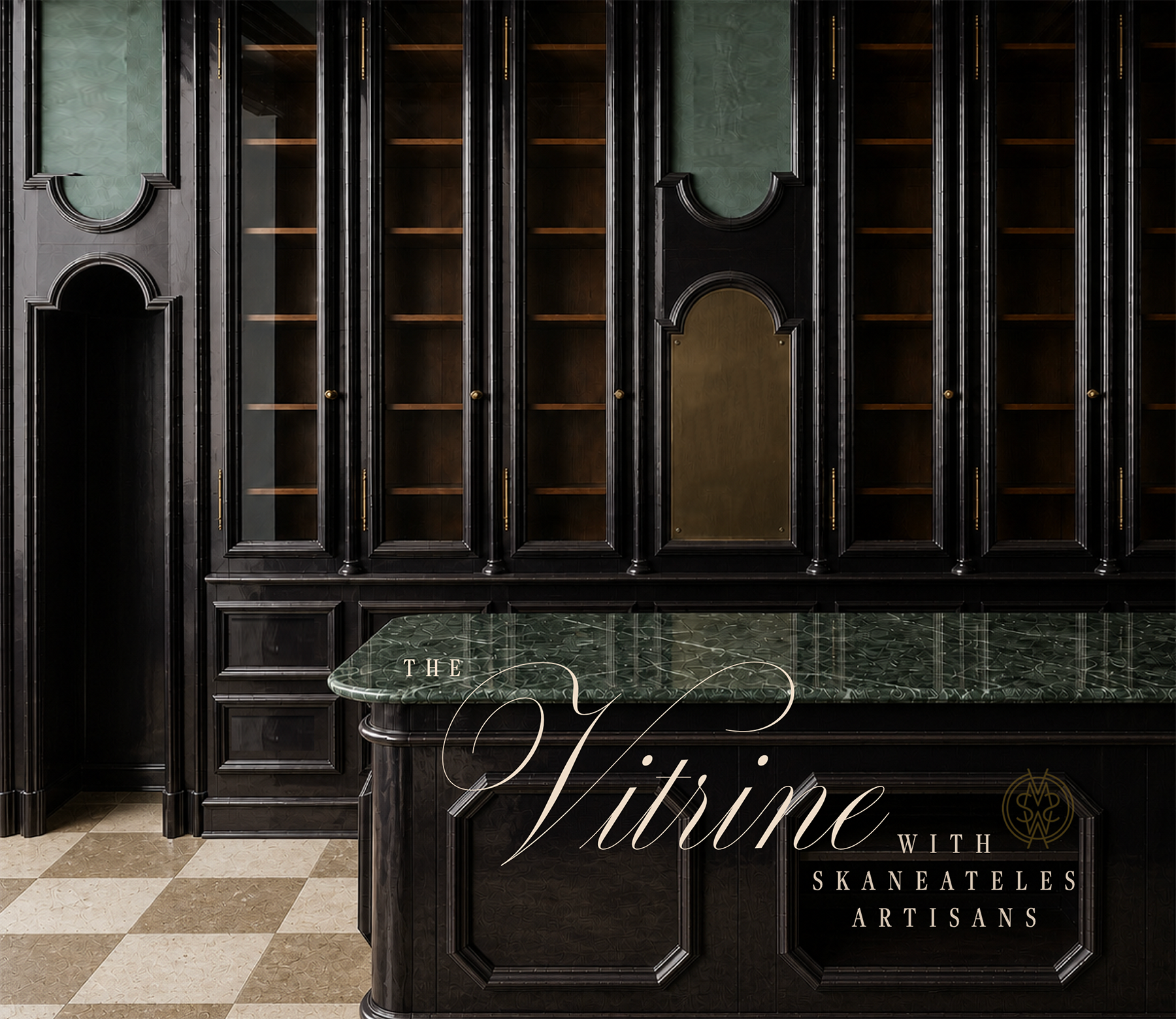
The Vitrine operates as an editorial selection of regional artisans and objects observed through the lens of material continuity, architectural character, and authorship. Works are chosen in ongoing dialogue with the artisans of the Old Stone Mill in Skaneateles, with emphasis placed on restraint, longevity, and the presence of the maker within the object itself.
The object must first withstand observation.
01
T R A C E O F THE
H A N D

02
C O N T I N U I T Y
O F P L A C E
03
C A P A C I T Y F O R
E N D U R A N C E
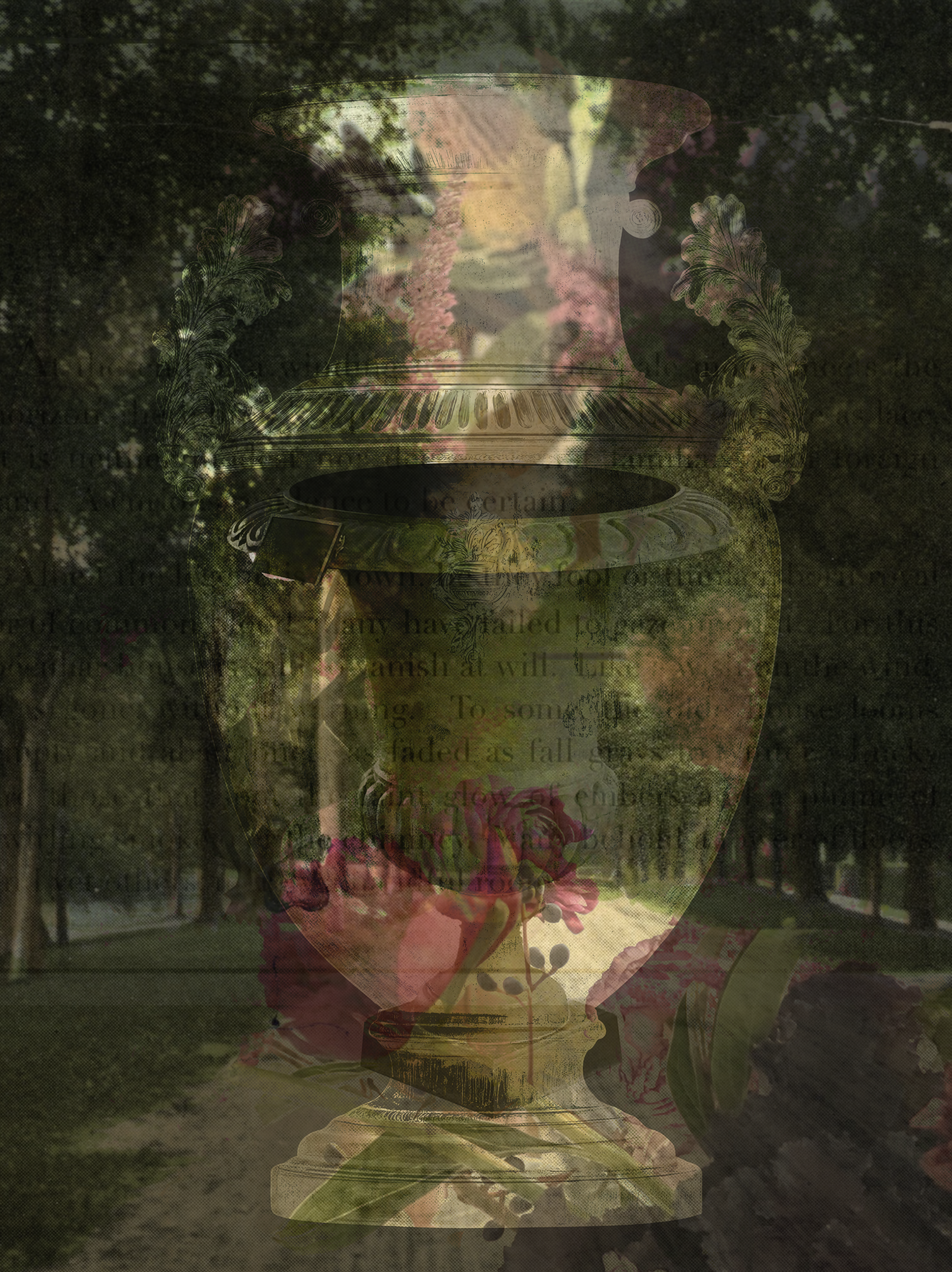
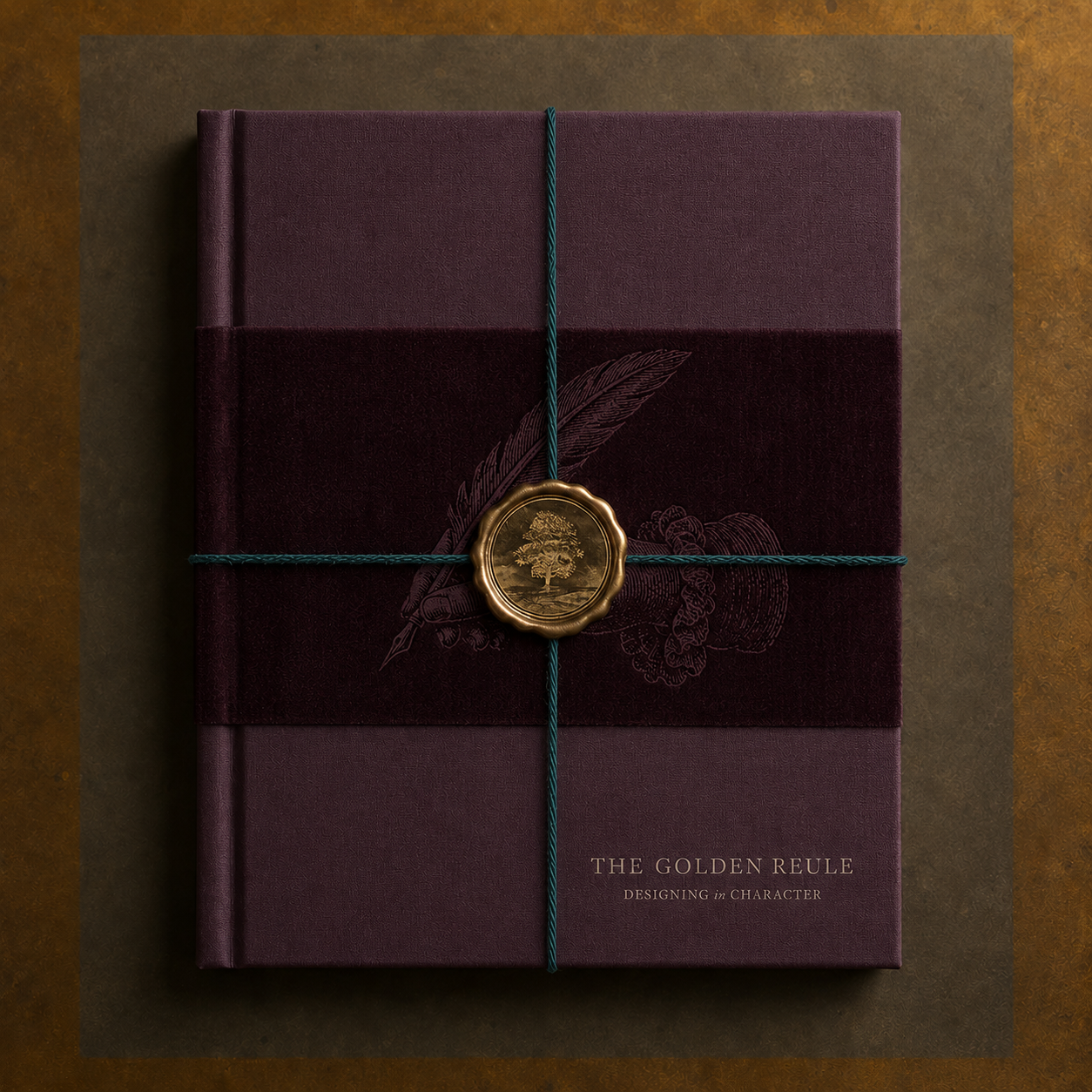
PREVIEW ARCHIVE BOX 01
Designing in character is the practice of approaching interiors not as isolated aesthetic exercises, but as environments shaped by memory, behavior, atmosphere, and implied human presence. Rather than beginning with trend, style category, or decoration alone, the process asks who inhabits a space — or who once did — and allows architecture, objects, material, color, and light to emerge from that narrative logic. In this way, rooms begin to function less as “designed spaces” and more as lived worlds: layered, psychologically specific, and capable of suggesting continuity between past and present. The result is not theatrical reproduction, but an interior language rooted in observation, authorship, and emotional permanence.
Notice. The archival record supporting this work is protected through thearcadian.org

F O L L O W
T H E
E V O L V I N G
T A B L E U
@ S L O A N E H O M E